Everyday I read different tips on how to increase your chances as a hunter. These tips are things we all know, but in many cases, these are things that we fail to remember. I know I'm guilty of not being consistent. But, despite my failures, I try my best to abide by these simple tips.
1. Scout from home and in the field:
Scouting is something that should be done before and after your hunting season. One of the smartest things you can do is pull up topo maps of the areas you want to hunt that coming season. long before deer season begins. I use google earth to get maps and then print the images on 11" x 17" paper making myself a bingo book of all the properties I'd like to check out.
From there, I spend my time hiking and/or shed hunting in these areas in spring, using my day of hiking as an excuse to map different landmarks, food sources, and deer signs.
As the season get's closer, I make sure I get out to see if the travel patterns have changed. I'll spend my late afternoons sitting near fields with binoculars and camera in hand waiting to see which trails the deer are using to get to the food sources like soy beans. If you have trail cameras, this is the time to set them out and let your trail cameras do the work for you. Because I hunt mostly public land, I try not to use trail cameras for fear of theft or alerting other hunters of my plan.
When scouting, you want to use any and every resource you have so be sure to shine at night, where legal, and ask farmers and land owners around where you hunt what they're seeing.
2. Mark the food and water sources
Animals have to eat and drink. So, while you're out there scouting, make sure you're marking the different sources of food and water. Keep in mind that as the seasons change, food and water sources change as well. If you notice that the deer are happily feeding from feeders you place on your property, please remember that this may change as different food sources become available as the seasons change. This is doubly true for those of us who hunt public land where the deer may be feeding on soft shoots of budding trees, but once nearby corn fields start growing tall enough to hide in, the deer seem to disappear. Get to know what food sources feed your deer herd during different parts of the year. This year, I started studying the different native trees and plants in my area and which ones bear fruit at different times of the year.
3. Plan entry and exit routes
This tip is the one that many hunters forget. Make sure you take time to plan out how you're going to get to your stand and out of it without alerting every deer in the woods of your presence. Make sure you can enter and exit downwind of the area you're hunting and have more than one option just in case the wind is not what you expect when you get into the field. When you plan this in advance, it may force you to rethink your stand locations.
4. Find the does
This is probably the one thing you really want to do especially when the rut is coming on. If you know
where the does are when the rut is coming up,you can guarantee there will be a few bucks sniffing around for some lovin'.
5. Hunt the hunters
This may sound kind of weird, but it's very important. You need to know where the other hunters are going to be located in your area. I don't know how many times I've set up, particularly for gun season, along escape routes that I know the deer will take when the firing starts, helping me fill my tags earlier than the other hunters. Remember, deer rely on their sense of smell, so if you're in an area where you know the deer will be retreating once the scent of humans fills the air, then you're on your way to filling your tags.
You just don't want to be in your stand or ground blind and have some person come tramping through the area you're hunting trying to get to their stand. We've all been there and it sucks.
6. Hunt along travel and escape routes:
It is very tempting to hunt bedding areas and food sources for deer, but I don't for a couple of reasons. When it comes to hunting bedding areas, I steer clear of them in order to let the deer have their place of security. If you spook the deer off of a bedding area, there is a fair chance you may change their routines for a while and screw up your chances of harvesting an animal for a while. As far as hunting food sources, this is something I stay away from because so many other hunters like to crowd the food sources. While it may be effective, there is a higher risk of someone else disturbing your hunt as well as a risk of the deer not coming out until after legal shooting hours. I tend to hunt the travel routes and escape routes in order to catch the deer passing through and I have little risk of spooking the deer off of a heavily used food source.
7. Control your scent:
We've all heard this before, you must fool a deer's nose if you're going to harvest one. So make sure you're doing the basics of scent control every time you're hunting.
1. Wash your clothes in scent eliminating detergent.
2. Use cover scents natural to your hunting area.
3. Get dressed in the field.
4. Bathe in scent eliminating soap.
8. Hunt the wind:
Even when you do everything correct with scent control, there is one thing you still have to do in order to fool a deer's sense of smell. That is hunt downwind of the paths you expect the deer to follow. Be constantly conscious of wind directions while you're hunting. If the wind is blowing in a direction that will negatively affect where your normal stand choice, move. Even the best scent elimination techniques are flawed and the wind will snitch on you every time, if you don't pay attention.
9. Be aggressive and flexible when necessary:
Don't be afraid to get out of your ground blind or tree stand and be aggressive when chasing deer or other game. Even the best ambush points fail sometimes, so get up and don't be afraid to try spot and stalk techniques in order to increase your chances of putting some meat on the table.
Remember that hunting situations will never be exactly the same from day to day, so be flexible and always have a back up plan in case the wind changes or hunting pressure picks up in your area.
10. Journal your hunts:
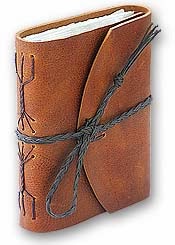
This is something I do when hunting and fishing. I consistently keep a journal of my hunting trips in order to learn from my successes and failures. My journal, along with my map book, keeps me aware of things that may have changed on the properties that I hunt. For example, storms that may have downed a large number of trees which affects deer movement patterns or bedding areas and new sources of food may pop up because of farmed land that may not have been farmed the year prior.
11. Learn:
Above every tip I've given in this post, the most important thing is to know that you don't know it all. There is so much knowledge out there and it's up to you to get out there and learn something new. Don't be afraid to ask someone more knowledgeable than you and definitely don't be afraid to really study up on the game animal you love to pursue.
I'm sure we all have a tips that can help each other become better hunters so please feel free to let me know some of your suggestions for being a better hunter.

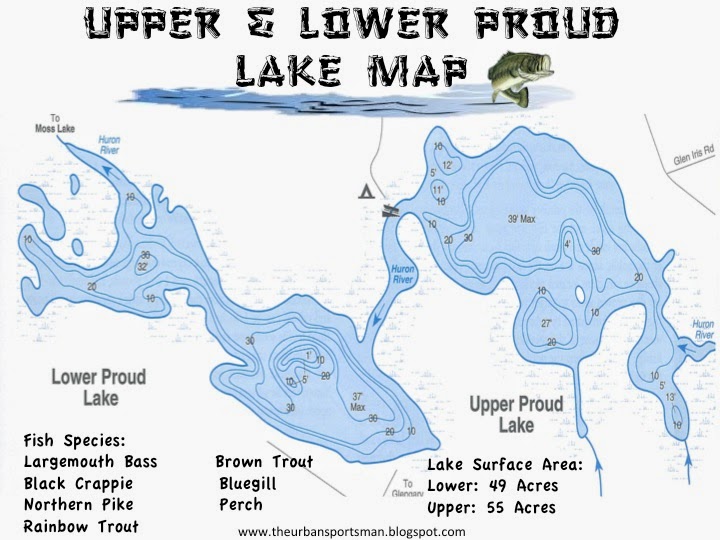
 Every day we grind away at work, itching to get to the weekend so we can do something we love. If you're reading this post then kayak fishing is one of the things you love and you can't wait to get on the water whenever possible. But when you can go kayak fishing, where do you go? Do you fish in your normal haunts or do you try some place different? Maybe turn your fishing day trip into a kayak camping trip? Possibly you try someplace where you can target some new species of fish. No matter what you choose, you have to decide where you'd like to go fishing.